
From Skills Training to Open Hearts in Upper Egypt
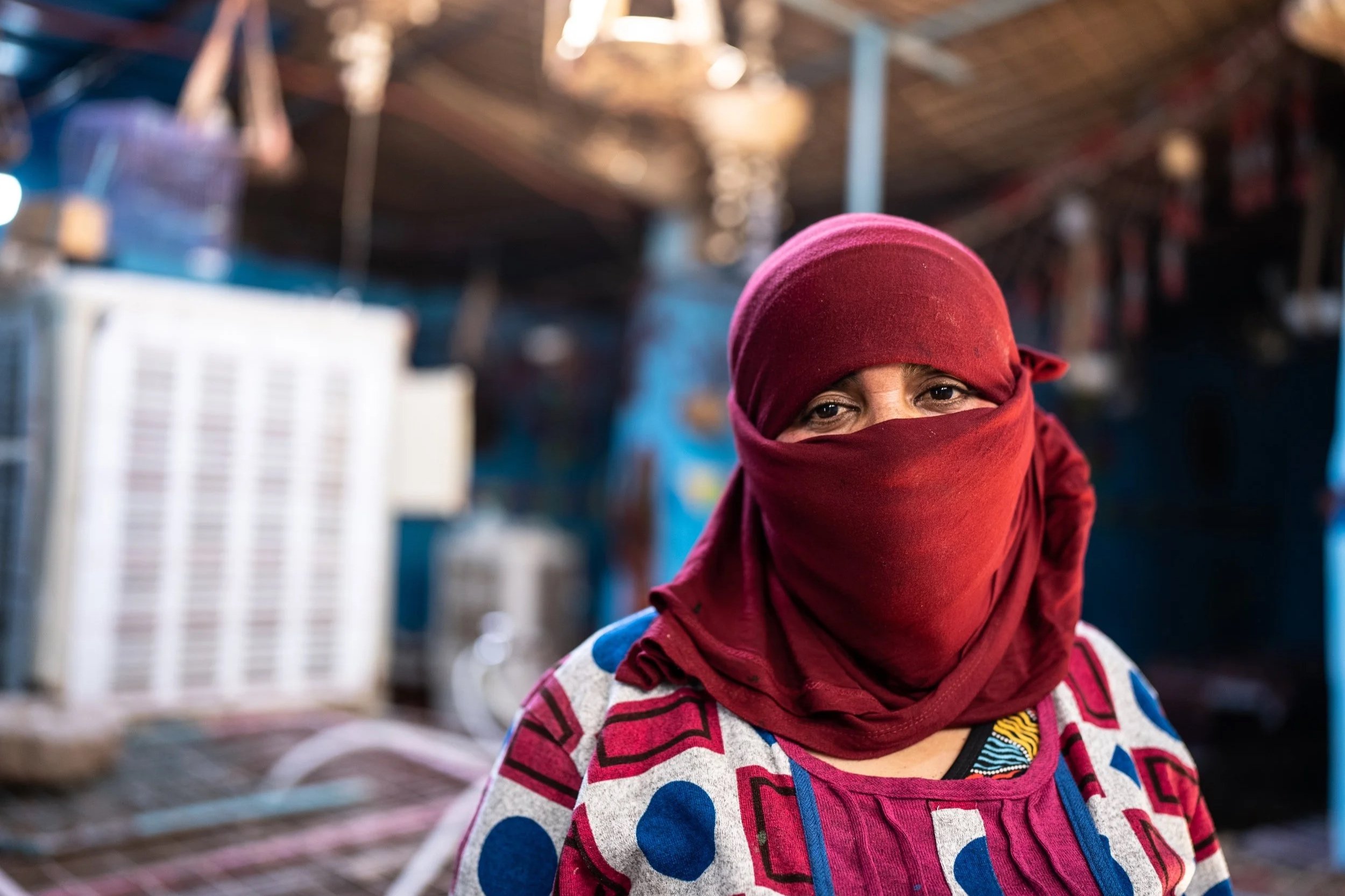
Names, locations, and images have been changed to protect the identity of individuals in sensitive regions.
In a quiet corner of Upper Egypt, a simple women’s gathering has become a place where practical skills and honest spiritual questions meet—opening doors for healing, dignity, and transformation.
For the past several years, Compel International has walked hand in hand with a local ministry—coming alongside leaders through ongoing training, coaching, and financial support. Together, we are investing in people who are faithfully serving their own communities, equipping them with simple, Scripture-centered group studies, practical evangelism approaches, and relational tools that help women engage God’s Word in safe and welcoming spaces.
A Safe Space Takes Root
In communities where almost all women come from a Muslim background, many carry deep spiritual and social burdens shaped by long-held beliefs, fear, and limitation. In this context, local facilitators continue to meet faithfully with eight small groups twice each month. As women encounter Scripture together, many are discovering—for the first time—the freedom Christ offers, bringing relief, dignity, and hope into areas of life long marked by bondage.
“So if the Son sets you free, you will be free indeed” (John 8:36, NIV). What began as practical training—learning how to produce household goods like soap and detergent—has grown into something deeper: a trusted space where women are willing to speak openly about their lives, their pain, and their longing for change.
As one facilitator shared, the consistency of these gatherings has built credibility. Women come not only to learn new skills, but because they know they will be listened to, prayed with, and treated with dignity.
“We see a clear openness among the women to share deep personal life stories and to ask real questions about God.”
When a Question Changes the Room
During one group discussion, a facilitator shared Jesus’ story of the loving father who welcomes home his lost son (Luke 15). As the group reflected on forgiveness, repentance, and God’s unchanging love, one woman broke the silence.
Her voice shook as she asked a question that stopped the room: “I want to know how I can change.”
The moment was raw and unexpected. What followed was not a lecture, but a gentle conversation about God’s mercy, the possibility of transformation, and the invitation to surrender one’s heart to Him. Other women listened quietly, some with tears, as the facilitator reminded them that God sees their desire for change and meets them with grace.
“God wants us to transform, and all He asks of us is to surrender our hearts to Him.”
Healing Wounds Through Love and Forgiveness
In another village, a group of young women was invited to reflect on a difficult experience from the past year. One participant spoke through tears about rejection—from neighbors, family members, and even her own sisters after a broken engagement. Her words were heavy, but they opened the door to a deeper conversation about love, forgiveness, and God’s nearness in suffering.
That single act of honesty led to ongoing personal follow-up and care, extending the ministry beyond group meetings and into everyday life.
Similar moments unfolded as women discussed Jesus’ teaching on forgiveness. Some wept as they shared stories they had never spoken aloud before. Together, they prayed, asking God for the strength to release bitterness and find peace.
Faithful Presence, Lasting Impact
Alongside these spiritual conversations, the ministry continues to walk with communities in tangible ways—opening a new nursery in a remote desert area, offering agricultural training for farmers, and equipping women with income-generating skills that support their families.
Progress is not without challenges. Travel is difficult. Social pressures are real. Sharing the hope of the Gospel requires wisdom and patience. Yet local facilitators persist, believing that faithful presence—showing up again and again—creates space for God to work.
Why This Matters
What is happening in Upper Egypt is not flashy or fast. It is slow, relational, and deeply human. But in places where the Gospel has limited access, these small gatherings are becoming seeds of transformation—one honest question, one prayer, one relationship at a time.