
Clearing the Road, Opening Hearts: Pastor Bardhyl’s Work in Kosovo
In a place where Christianity is often misunderstood, God is using steady partnership and humble service to reshape perceptions. Through Pastor Bardhyl’s leadership in Kosovo, long-term investment is helping communities experience practical transformation—and slowly reconsider what it means to follow Christ.
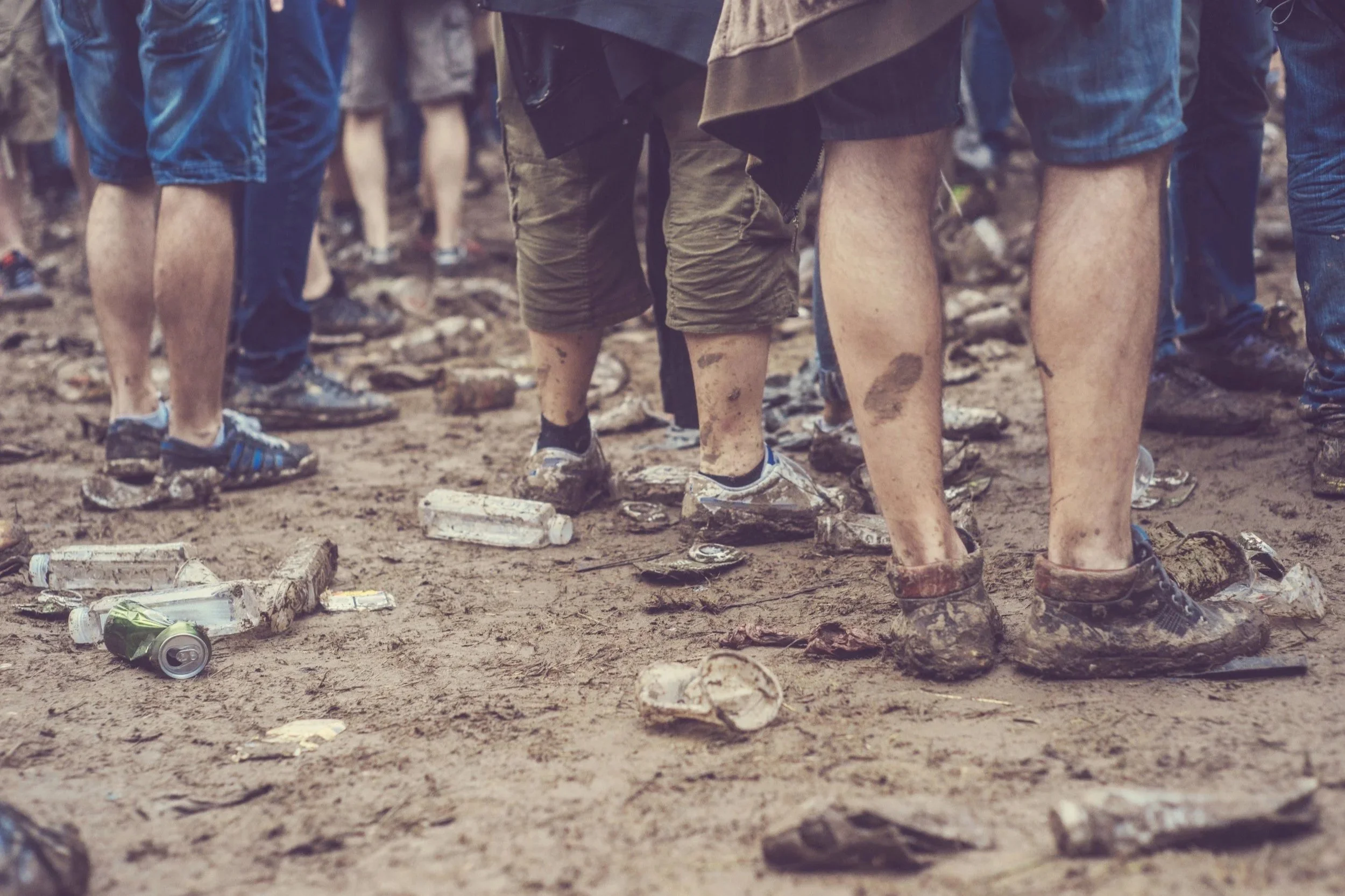
When heavy rains flooded a Muslim-majority neighborhood in Kosovo, the main road quickly became impassable. Mud blocked access, isolating families and disrupting daily life.
Pastor Bardhyl received a call from members of the local neighborhood committee: movement was impossible.
What followed was not just a cleanup effort. It was evidence of something deeper God has been building over time.
A Committee Formed Through Partnership
The neighborhood committee did not emerge spontaneously in a crisis. Over the past several years, Compel International staff have walked closely with Pastor Bardhyl—training, mentoring, and helping him discern how to engage communities in ways that build trust and encourage local ownership.
He was invited to Albania to observe similar initiatives already taking root there. Compel team members have traveled to Kosovo multiple times to assess neighborhoods alongside him, listen carefully to residents, and identify opportunities for collaborative action. Together, they worked through how to form a representative committee, how to invite broad participation, and how to engage local authorities respectfully and effectively.
Compel also provides ongoing financial support that helps sustain this ministry. That steady partnership enables Pastor Bardhyl to remain present, invest time in relationships, and continue strengthening the committee’s work. The leadership is local. The ownership is local. But the partnership is real and long-term.
When the flooding came, that preparation mattered.
A Community Mobilized
The committee immediately went house to house collecting tools. Small contributions were gathered to purchase shovels. The local church added funds to help meet the need. By afternoon, work had begun.
“The whole community got involved in the work—women, men, and children—with an extraordinary spirit of cooperation.”
At the same time, Pastor Bardhyl and two committee members met with the municipal mayor to request institutional assistance. By Friday, the road was passable on foot and by handcart. On Saturday morning, a municipal excavator arrived and removed the remaining mud completely.
The road was cleared. But something else had shifted as well.
Why This Matters in Kosovo
Kosovo remains overwhelmingly Muslim. According to Joshua Project, approximately 95% of the population identifies as Muslim, while evangelicals represent less than 0.5%.
Historical memory also shapes perception. During the Kosovo War in the late 1990s, religion was entangled with ethnic conflict. For many Kosovars, “Christian” became associated not with the Gospel, but with political and military violence carried out under a religious banner. Those associations have contributed to deep suspicion toward Christianity.
This context makes Gospel work slow and relational. Resistance is rarely loud—but it is real.
Trust must be built patiently.
Fragile Relationships, Visible Change
Pastor Bardhyl noted that relationships within the neighborhood are often delicate. Disagreements can easily escalate. Cooperation is not always natural.
And yet, during this crisis:
“They worked with great willingness and joy.”
Men, women, and children labored side by side. They contributed their own tools. They gave what they could financially. They advocated together with local officials.
This kind of unity does not happen overnight. It grows from consistent presence, careful listening, and shared responsibility.
Rather than bringing quick solutions from the outside, Pastor Bardhyl has been helping neighbors identify their own challenges and use their own resources to address them. This approach fosters dignity and ownership. It reduces dependency. And it quietly demonstrates Christ’s love in action.
As Jesus taught, “Let your light shine before others, that they may see your good deeds and glorify your Father in heaven” (Matthew 5:16, NIV).
The Long View
We have seen in neighboring Albania that when communities experience steady, Christ-centered presence over 10–20 years, deep transformation can follow. Families come to faith. New churches emerge. Local leaders disciple others.
Kosovo will require that same long obedience.
Compel International’s role is not to lead from the front, but to walk hand in hand with pastors like Bardhyl—offering training, encouragement, strategic input, and sustained support as they serve their own people.
The mud in that neighborhood has been removed.
But perhaps more importantly, perceptions are beginning to shift. As believers serve humbly and consistently, neighbors are seeing a different picture of Christianity—one marked not by power, but by love.
And that quiet change may open doors no program ever could.