
Shepherding Hearts in Egypt: How Local Women Are Leading Their Communities Toward Healing and Hope
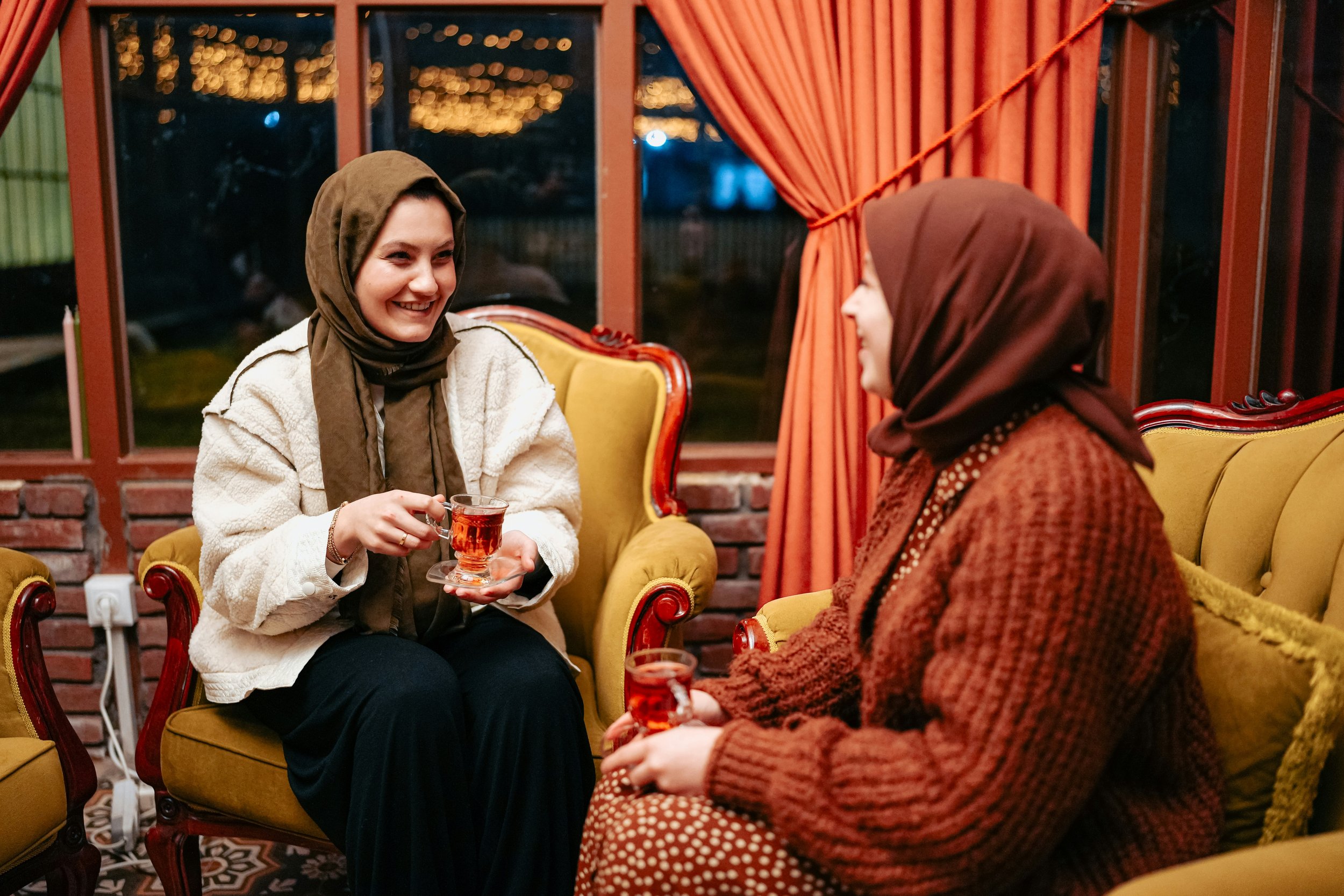
Names, locations, and images have been changed to protect the identity of individuals in sensitive regions.
In homes and villages across Upper Egypt, quiet revolutions are unfolding—one conversation at a time. Local women trained in truth, compassion, and Scripture are walking with families through fear, dysfunction, and destructive traditions. As they do, hearts are softening, relationships are healing, and the Gospel is taking root in places long gripped by generational pain.
Turning Back from the Edge
In one village, a facilitator named Mariam shared with her group how envy, fear, and superstition often lead people to seek help from traditional spiritual healers—El-Sheikhs—rather than seeking God. Later that night, she received a call from Widad, a key woman in the village: “My relative heard what you shared today. She’s desperate to talk to you.”
When Mariam connected with Widad’s cousin Layla, she was distraught. Her once vibrant 14-year-old daughter had withdrawn completely, locking herself in the bathroom for hours and refusing to speak. Pressured by relatives, Layla had taken her daughter to a sheikh, even though she didn’t believe in the practice. Her daughter refused to cooperate, leaving Layla heartbroken and afraid.
Instead of responding with judgment, Mariam listened, encouraged her, and gently offered biblical wisdom on adolescence, parenting, and prayer. Layla later said:
“Tell me when the group meets. I would like to attend with you.”
A week later, she called again—this time with joy.
“My daughter is talking to me like I’m her friend again. I thank God He sent you to me when I was about to lose her.”
A Father Changed by Prayer
In another village, a well-respected woman named Ebtisam asked Mariam to visit her 15-year-old daughter, Mira, who was in deep conflict with her father. “She listens to you,” Ebtisam said. “Maybe you can help.”
During their time together, Mira opened up about the anger and emotional wounds she carried.
“When my father comes home, I go up to the roof and stay there for two days,” she confessed. “I hate him. He beats us. He doesn’t love me.”
Mariam gently challenged her:
“Have you ever tried to love him first? Have you prayed for him?”
Mira admitted she hadn’t. They prayed together, asking God for healing. Later, Mariam met with the father, who was initially defensive. But by the end of the conversation, he acknowledged his role and promised to change.
Not long after, Ebtisam shared:
“When my husband came home that night, I felt that he was a different person. And for the first time, my daughter didn’t run away. Even my husband noticed the change.”
Breaking the Cycle of Harm
In a group focused on health and dignity, Mariam introduced the topic of female circumcision. One woman, Samira, courageously spoke up: her husband wanted to circumcise their daughters, but she disagreed and didn’t know how to talk to him.
After the session, she returned home and shared the health and spiritual truths she had learned. To her relief, her husband agreed to stop. She also told her neighbor—who had planned to do the same—and convinced her as well.
“I shared what I learned with my neighbor, and she changed her mind too.”
Inspired by Two Midwives
In another session, facilitator Nadia shared the story of Shiphrah and Puah, the Hebrew midwives who courageously defied Pharaoh’s orders to kill newborn boys in Exodus 1. One woman in the group was deeply moved.
“That’s my story! They were strong, even though the king ordered them. I will challenge my circumstances and be strong too.”
In a context where silence and suffering are often normalized, Scripture sparked a spark of courage—and a commitment to live differently.
The Bigger Picture
These stories are just a glimpse into what God is doing through one of Compel’s partner ministries in Upper Egypt. Through eight active women’s groups, local facilitators like Mariam and Nadia are walking with mothers, daughters, and neighbors—offering Scripture, truth, and compassion.
At the same time, our local partner has stepped into an isolated region, launching new outreach efforts: vocational training, kindergartens, educational centers, medical convoys, and school support—all aimed at wholistic transformation.
They’re praying for God’s provision to continue. But the fruit is already visible. As one local leader said:
“These groups are changing our homes. One conversation at a time.”